

Almost every UPI fraud case follows the same shape: a scammer convinces someone to share sensitive details or approve a transaction they misunderstood. The technology itself is secure — the vulnerability is the moment a human is talked into doing something they shouldn’t.
Table of Contents
- Common UPI Scam Patterns
- The One Rule That Prevents Most Fraud
- The Anatomy of a Scam Call
- Protective Habits to Build
- Scam Types at a Glance
- The First Hour After Fraud
- Frequently Asked Questions
Common UPI Scam Patterns
- Fake collect requests: A request disguised as a refund or cashback that debits your account if approved without reading carefully.
- QR code swaps: A fraudulent code posted at a shop, or sent claiming to be for a refund — scanning and entering a PIN actually sends money out.
- Remote access app scams: Someone posing as support convinces you to install a screen-sharing app, then watches you enter your PIN.
- Impersonation calls: Callers posing as bank or app support asking for your PIN or OTP to “verify” your account.
“You never need to enter your UPI PIN to receive money — only to send it. If a ‘refund’ or ‘cashback’ asks for your PIN, it’s a payment, not a refund.”
A single fact that resolves most UPI collect-request scams
The One Rule That Prevents Most Fraud
If entering your PIN is required, money is leaving your account — full stop. Refunds, cashback, and receiving money never require your UPI PIN. Internalizing this single rule prevents the overwhelming majority of collect-request and QR code scams, no matter how convincing the surrounding story.
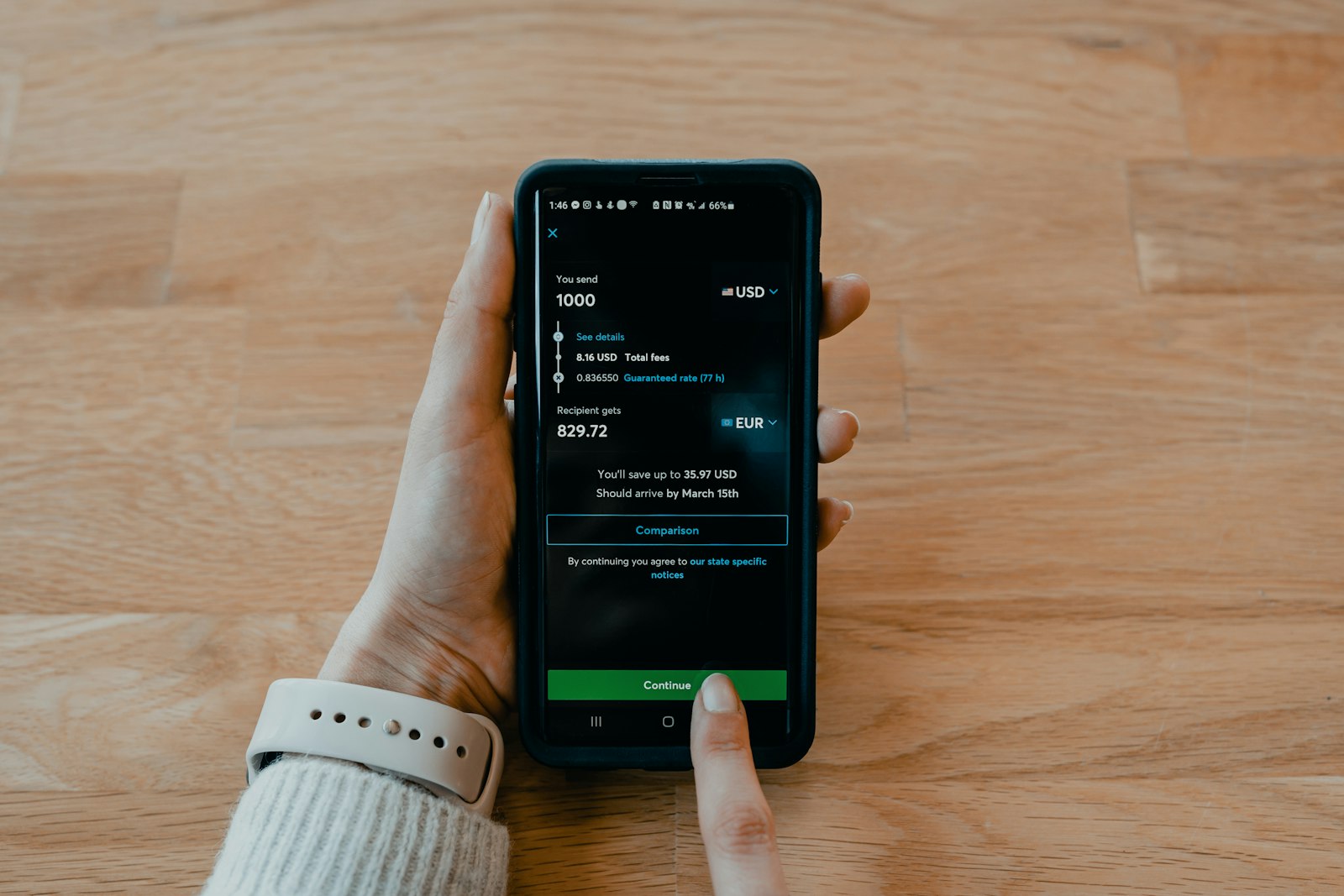
The Anatomy of a Scam Call
Understanding the structure makes one easy to recognize in progress. It starts with a trigger — an unexpected call claiming a problem (failed transaction, KYC update needed, prize won). Then urgency, pressuring you to act before thinking. Then the request — an OTP, a PIN, or installing a remote access app, always framed as necessary to “help.” When those three appear together, treat the whole interaction as suspicious and disengage, verifying independently through the official app.
Protective Habits to Build
- Read the payee name and amount every single time before entering your PIN.
- Never install screen-sharing apps at the request of someone who called you unexpectedly.
- Verify support numbers only through the official app or website — never a number from search results or shared over a call.
- Set a comfortable daily and per-transaction limit in your app.
- Report suspicious numbers or QR codes through in-app reporting.
Scam Types at a Glance
| Scam Type | How It Tricks You | Defense |
|---|---|---|
| Fake collect request | Disguised as refund/cashback | Receiving money never needs a PIN |
| QR code swap | Scanning triggers a payment | Verify amount and payee before confirming |
| Remote access scam | Scammer watches you enter your PIN | Never install screen-sharing for unsolicited callers |
| Impersonation call | Fake urgency to extract PIN/OTP | Hang up, call the verified number yourself |
The First Hour After Fraud
Speed matters. Immediately freeze or block the linked account or card in your app if possible. Call your bank’s official helpline — found through their website or the back of your card, never a number from the scam interaction. File a written complaint with your bank, and report to your country’s cybercrime channel, since early reporting sometimes allows a recovery window before the money moves further.
These habits work alongside the broader precautions in our online banking security guide, since the psychology scammers use is largely the same across channels.
Frequently Asked Questions
What should I do immediately after falling for a scam?
Contact your bank and payment app support immediately to report it and block further transactions, then file a complaint with your bank and the relevant cybercrime channel.
Can scammers access my account just from my UPI ID?
No — a UPI ID alone can’t withdraw money without your PIN or approval. The risk comes from being tricked into approving something yourself.
Is it safe to link my account to multiple UPI apps?
Technically yes, but it means more apps to keep updated and monitor. Many people prefer linking only one or two they actively use.
Conclusion
UPI fraud relies on human error, not technical weakness, so the defense is almost entirely behavioral. Remember that receiving money never requires your PIN, verify every request, and never let urgency push you into acting before thinking.
Remember this: If anything asks for your UPI PIN to “receive” money, it’s not a refund — it’s a scam.